Table of Contents
For a new or growing business, getting in front of potential customers can be difficult. A business may have a useful service, attractive products, or competitive prices, but customers first need to discover that the business exists. Instagram can provide a convenient digital space for small businesses to introduce themselves and communicate directly with people who may be interested in what they offer.
An Instagram account can do much more than display products. It can show how a product is used, explain a service, answer common questions, introduce the people behind the business, and create regular contact with customers.

However, simply opening an account does not create growth. A business needs to think about what it wants its Instagram presence to achieve and what kind of information its audience actually wants.
If you are exploring how to grow a small business on Instagram begin with a simple foundation: make the profile understandable, identify the right audience, create useful content, encourage conversations, and use the information from your results to improve future decisions.
1. Make the First Impression Clear
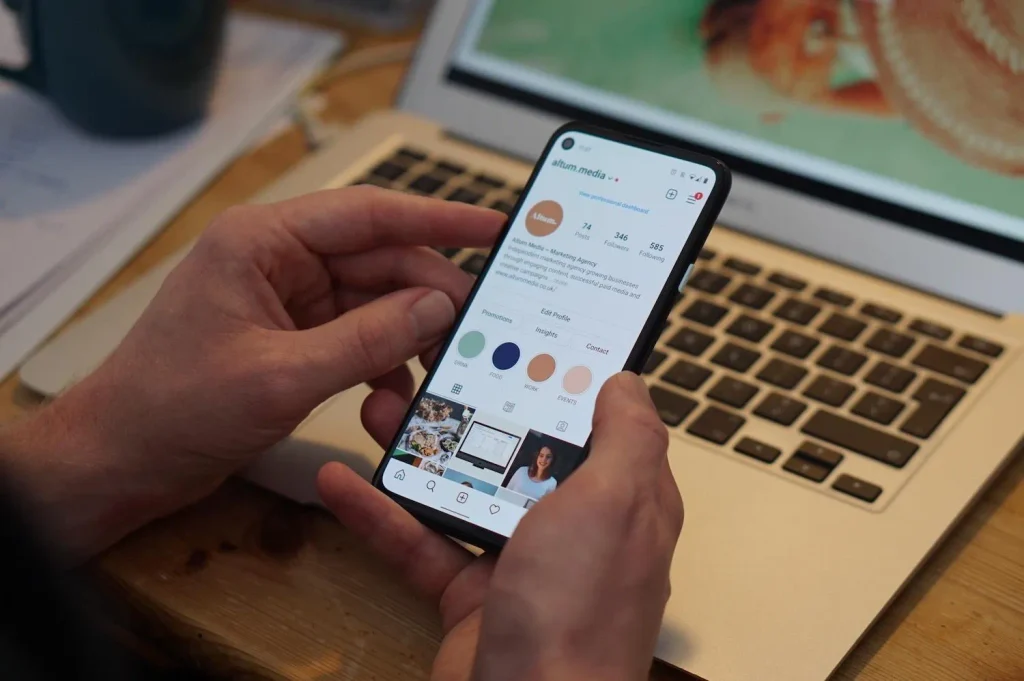
A person who discovers your Instagram account may spend only a short amount of time looking at the profile. During that visit, they should be able to understand the business without searching through dozens of posts.
Your profile picture should be recognizable. Businesses can use a logo, while professionals who promote their own services may use a clear personal photograph.
The username also matters. A simple name that resembles the actual business name can make the account easier to remember.
The bio should communicate the most useful information in a limited amount of space. It can tell visitors:
- What the business provides
- Who the service is intended for
- The location or region where the business provides its products or services
- How customers can contact the business
- Where they can find additional information
For example, a small bakery could use its bio to explain that it prepares customized cakes for birthdays and events, serves a particular local area, and accepts orders through a specific contact method.
If the business has a website, booking page, catalogue, or messaging option, make that destination easy to find.
A good profile should answer one basic question immediately:
What can this business do for me?
2. Learn About the Customer Before Creating Content
Content becomes easier to plan when you know who you are speaking to.
A small business should not assume that every Instagram user is a potential customer. Think about the group that is most likely to need your product or service.
You might look at:
- Age range
- Location
- Interests
- Daily lifestyle
- Spending ability
- Common concerns
- Purchasing behaviour
Consider a small interior-design service operating in Kerala.
Its audience may include homeowners who are building a new property, families planning renovations, or people searching for affordable ways to improve their living spaces.
Once the business understands these people, it can create content around topics they may actually care about.
For example:
- Ways to organize a small room
- Ideas for choosing furniture
- Lighting suggestions
- Simple colour combinations
- Renovation mistakes
- Budget-friendly improvements
This approach can make it easier for a small business to understand how to grow a small business on Instagram.
3. Build Content Around Customer Needs

People do not necessarily follow a business account only because they want to buy something immediately.
People may choose to follow an account because it offers useful information, fresh ideas, enjoyable content, helpful answers, or guidance when making decisions.
This means your content can cover several areas.
A business might publish:
- Educational information
- Practical advice
- Product demonstrations
- Tutorials
- Customer experiences
- Frequently asked questions
- Work-in-progress content
- Behind-the-scenes moments
- Short videos
- Product-use ideas
Take a local coffee shop.
Instead of photographing the same drink repeatedly, the business could show how its coffee is prepared, introduce the staff, explain different drinks, reveal a new menu item, or show what happens behind the counter during a busy morning.
The product is still being promoted, but the audience receives more information than a simple sales message.
4. How to Grow a Small Business on Instagram With Short Videos
A small business does not need a large production setup to experiment with video.
A phone can be enough to record many types of useful content.
The trick is to start with a specific idea.
A clothing store might record a quick video showing different ways to wear one shirt.
A restaurant could show a few steps involved in preparing a popular dish.
A tutor could explain one difficult concept in under a minute.
A photographer could show what happens during a photoshoot.
These videos work better when the viewer can understand the main point quickly.
Instead of trying to explain an entire subject in one Reel, choose one small topic.
For example, a clothing business could create separate videos for:
- Choosing the right size
- Styling one outfit
- Matching colours
- Caring for a particular fabric
This also gives the business more content ideas without constantly searching for completely new subjects.
Most importantly, choose a video routine that fits your available time. A simple video that can be produced regularly may be more practical than a highly complicated production process.
5. Turn Stories Into a Daily Communication Channel
Stories can show what is happening inside a business without requiring the same level of preparation as a major feed post.
They can be used for quick updates, questions, opinions, and informal content.
Instagram Stories give businesses a way to:
- Ask followers what they prefer
- Display newly arrived products
- Share customer reviews
- Show preparation work
- Introduce employees
- Announce temporary offers
- Reveal something new
- Ask for suggestions
- Answer common questions
Suppose a clothing store has two new collections.
Instead of deciding privately whichone
to promote first, it could show both and ask followers
which design they prefer.
A café could ask customers to choose between two possible weekend specials.
These small activities can create interaction while also giving the business information about audience preferences.
Replies to Stories can be valuable because they often highlight the questions and concerns customers are already thinking about.
Those questions can later become posts, videos, FAQs, or website content.
6. Use Captions to Explain, Not Just Announce
The photograph or video may make someone stop scrolling, but the written message can provide additional information.
A caption should have a reason for being there.
Instead of writing:
New product available. ₹999. Order now.
a business could explain what the product is designed for, what makes it useful, or who might find it suitable.
For example, a skincare business could discuss a common mistake in daily skincare and then explain where a particular product fits into a routine.
The caption can finish with a relevant action.
Depending on the purpose of the post, you might ask people to:
- Share an opinion
- Save the information
- Leave a comment
- Send a message
- Visit a website
- Ask for details
- Share the post
- Check a product
The action should fit the content.
An educational post may naturally encourage saves, while a service announcement may be more suitable for enquiries.
7. Describe Your Business Using Relevant Terms
People need to understand what your account represents.
Use words that naturally describe your products, services, location, and area of expertise.
For example, a local bakery can mention the types of cakes it prepares and the areas where it delivers.
A photographer can explain whether they provide wedding photography, portraits, product photography, or event coverage.
This makes the account easier for potential customers to understand.
Hashtags can also be relevant when they genuinely describe the subject. However, adding unrelated hashtags simply because they are popular does not make the content more relevant to the right audience.
Think about what someone interested in your business would actually search for.
Use those terms naturally rather than trying to fill every available space with keywords.
For businesses looking to strengthen their online presence, the best digital marketer in Thrissur can help develop effective digital marketing strategies that connect with the right audience.
8. Give More Attention to Real Interactions
Follower numbers are easy to notice, but they do not explain everything about an Instagram account.
A business should also look at the people who are asking questions, sending messages, commenting, visiting the profile, and taking other useful actions.
Responding to these interactions can help create a stronger relationship with potential customers.
For example, suppose a fitness centre receives the same beginner-related question several times.
Instead of answering the question individually every time, the business could make a short video explaining what a first session is like.
One customer question can therefore become content for many future viewers.
Businesses can also make use of customer-created photographs or videos when they have permission to share them.
Seeing genuine experiences can give potential customers a better idea of what it is like to purchase from or work with the business.
9. Work With Businesses and Creators That Make Sense
A collaboration can introduce a small business to an audience it might not reach on its own.
The important factor is not simply the size of the other account.
Think about whether the audience is relevant.
For instance:
A salon could create content with a fashion creator.
A café can collaborate with a nearby food influencer to showcase its menu and attract local customers.
A wedding photographer could partner with a wedding planning service.
A jewellery business could collaborate with a fashion stylist.
Two nearby businesses can also partner to develop a joint promotion or shared project.
They could conduct a small event, make a joint video, recommend each other’s services, or create educational content around a shared customer interest.
Before agreeing to a partnership, consider whether the two audiences have a genuine connection.
10. Give Paid Campaigns a Specific Job
Advertising can help a business reach people outside its existing followers.
But before spending money, decide what the advertisement is supposed to accomplish.
For example, a campaign might be designed to encourage:
- Website visits
- Direct messages
- Enquiries
- Appointment bookings
- Product views
- Purchases
- Awareness of a service
A local business may also need to focus on people within the areas it can realistically serve.
Rather than immediately spending a large amount, a business can begin by testing a particular audience, message, creative, or offer.
After the campaign finishes, look beyond impressions.
Suppose many people visit a website after seeing the advertisement, but only a small number submit an enquiry.
That does not automatically mean the advertisement failed. The business may need to examine the offer, website experience, pricing information, message, or follow-up process.
Advertising results should therefore be used to identify where the customer journey can be improved.
For businesses learning how to grow a small business on Instagram, paid campaigns can be useful when they support a clear goal.
How to Grow a Small Business on Instagram Using Analytics

One of the useful parts of digital marketing is the ability to observe how people respond to different types of content.
A business can monitor information such as:
- Content reach
- Engagement
- Profile activity
- Website visits
- Messages
- Leads
- Bookings
- Purchases
- Changes in followers
- Conversions
Imagine a clothing store publishes three kinds of content: product photographs, styling videos, and customer reviews.
After reviewing its results, the business notices that styling videos regularly bring more people to the profile.
That observation can be used when planning future content.
Another business may find that educational posts receive many saves while promotional posts produce more enquiries.
There is no need to assume that one format must perform the same way for every business.
Use your own results to understand what your particular audience responds to.
Understanding these responses can help a business learn how to grow a small business on Instagram in a way that suits its own audience.
Common Instagram Mistakes Small Businesses Should Avoid
Making Every Post About Selling
Customers need information and useful content too.
If every post contains a sales message, the account may become repetitive. Give promotional posts space alongside educational and engaging material.
Choosing a Schedule You Cannot Maintain
Posting frequently
for a few days and then disappearing for several weeks can make content planning difficult.
Choose a routine that fits your actual workload.
Leaving Questions Without a Response
A customer asking about a product, price, service, or availability may already be interested.
Make an effort to answer genuine questions clearly and regularly.
Reproducing a Competitor’s Style
Competitor accounts can be useful for research.
But your business should still develop its own visual identity, voice, and content ideas.
Research should help you understand the market rather than turn your account into a copy of another brand.
Using Hashtags Without a Connection
A hashtag should relate to the content.
Avoid using unrelated tags simply because they appear popular.
Publishing Difficult-to-Understand Visuals
Expensive equipment is not essential, but basic quality still matters.
Make sure the product can be seen properly, text can be read, and video audio is understandable.
Not Telling Customers What to Do
If your goal is to receive enquiries, explain how people can contact you.
If you want people to visit your website, make the destination clear.
Every important post should have a purpose.
Frequently Asked Questions
What is a practical posting frequency for a small business?
There is no universal number.
A business should choose a schedule that it can follow without sacrificing the usefulness or quality of its content.
A manageable routine is generally easier to maintain than an unrealistic posting target.
Can Instagram help a business without spending money on advertisements?
Yes.
Businesses can use educational content, Reels, Stories, customer interaction, collaborations, and customer-created content to develop an organic presence.
Paid advertising can be added when the business has a specific reason to reach a wider or more selected audience.
What Content Can Small Businesses Share on Instagram?
Start with the interests and questions of your customers.
Depending on the industry, content could include demonstrations, tutorials, product explanations, customer stories, educational posts, behind-the-scenes material, short videos, and Stories.
A business does not need to use every type of content format.
How Long Does It Take for an Instagram Business Account to Grow?
Every business may need a different amount of time, depending on its goals, audience, and growth stage.
Growth can be affected by the type of industry, competition, audience, content, consistency, customer experience, offers, and other marketing activities.
It is more useful to monitor actions that contribute to business goals than to focus only on follower numbers.
Should every small business create Reels?
Not necessarily.
Short videos can be helpful for demonstrations, explanations, product showcases, and educational content.
However, the best format depends on the business, its audience, and the resources available for content creation.
Conclusion
Learning how to grow a small business on Instagram takes time, but consistent content, genuine interaction, and regular analysis can help a business build a stronger presence.
A small business does not need to become an overnight Instagram sensation to build a useful presence on the platform.
The process can begin with a profile that clearly explains the business and an understanding of the people it wants to reach. From there, the business can create content around customer questions, demonstrate its products or services, and use Stories to maintain regular communication.
Short videos can bring another dimension to the content strategy, while collaborations can introduce the business to related audiences. Paid campaigns can also be tested when there is a clear objective and a suitable budget.
The most important part is to keep learning from actual audience behaviour.
Look at which topics receive attention, which posts lead to conversations, which content encourages people to visit the profile, and which activities eventually contribute to enquiries or sales.
Instagram growth does not have to be approached as one large task. Improve one part of the account at a time, maintain a realistic routine, and use the information from your results to shape the next step.
That gradual approach can help a small business turn its Instagram account from a basic social profile into a useful part of its overall marketing activity.